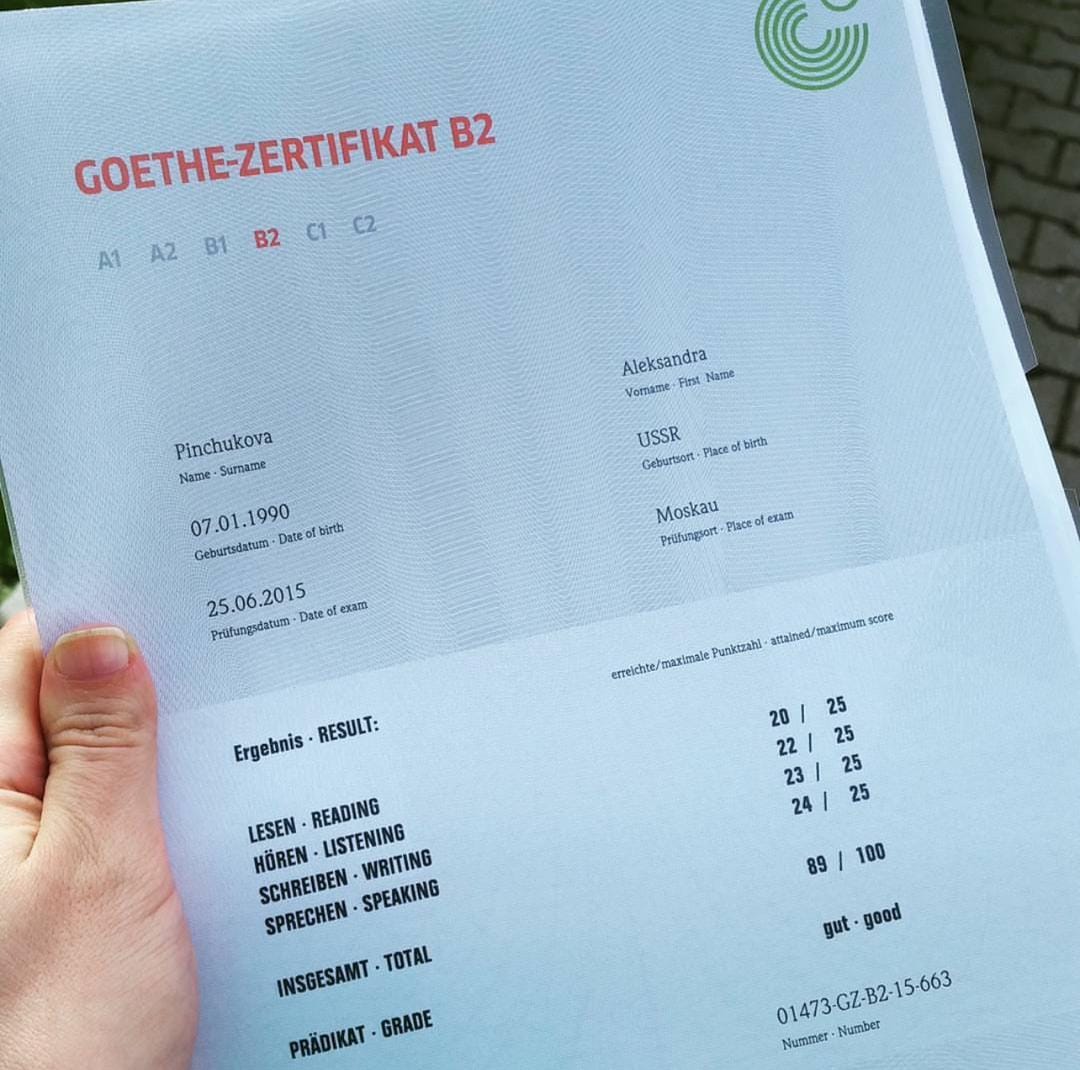
Understanding the B1 Language Certificate: A Comprehensive Guide
In today's globalized world, the ability to interact in numerous languages is significantly vital. For those looking for to prove their English language proficiency, the B1 Language Certificate acts as an important credential. This guide supplies a thorough expedition of the B1 Language Certificate, its requirements, advantages, and how it fits into the wider context of language learning.
What is the B1 Language Certificate?
The B1 Language Certificate is a main file that validates a person's intermediate efficiency in English, as specified by the Common European Framework of Reference for Languages (CEFR). The B1 level symbolizes that a learner can:
- Understand the main points of clear basic input on familiar matters generally experienced in work, school, leisure, and so on.
- Handle a lot of scenarios likely to emerge while taking a trip in a location where the language is spoken.
- Produce easy connected text on topics that recognize or of personal interest.
- Describe experiences, events, dreams, hopes, and aspirations, along with briefly discuss factors and viewpoints.
Achieving a B1 certificate demonstrates a solid foundation in English, often satisfying requirements for different academic programs, job opportunity, and migration processes.
Kinds Of B1 Language Certificates
There are different companies that offer B1 Language Certificates, each with its own screening format and assessment criteria. Below is a table that details a few of the most acknowledged B1 certifications:
| Certification | Organization | Test Format | Duration |
|---|---|---|---|
| Cambridge English: B1 | Cambridge Assessment | Reading, Writing, Listening, Speaking | 3 hours |
| TOEFL Junior | ETS | Checking out, Listening, Speaking | 2 hours |
| IELTS (General Training) | British Council/IDP | Checking out, Writing, Listening, Speaking | 2 hours 45 minutes |
| Trinity GESE Grade 5 | Trinity College London | Speaking, Listening, Writing | 30 minutes |
| Pearson Test of English | Pearson | Reading, Writing, Listening, Speaking | 2 hours |
Preparing for the B1 Language Certificate
Preparation for the B1 exam includes improving abilities in 4 crucial locations:
- Reading: Practicing comprehension techniques and checking out numerous texts, including articles, advertisements, and simple literature.
- Composing: Learning to structure essays, personal letters, and e-mails. Practice arranging ideas coherently and using proper grammar.
- Listening: Improving the ability to comprehend spoken English through podcasts, audiobooks, and conversations.
- Speaking: Engaging in discussions, role-plays, and discussions to gain self-confidence and fluency in spoken communication.
Recommended Study Materials
| Resource Type | Examples |
|---|---|
| Textbooks | "English Vocabulary in Use B1", "Grammar for English Language Teachers" |
| Online Courses | Websites like Duolingo, Babbel, and Coursera |
| Practice Tests | Cambridge, ETS, British Council websites |
| Apps | Quizlet, HelloTalk, and memrise |
Research study Tips
- Develop a Study Schedule: Allocate specific times each day or week for dedicated research study sessions.
- Sign Up With Language Groups: Engage with peers in conversation clubs or online forums to practice speaking.
- Use Technology: Leverage language learning apps and resources to make studying interactive and reliable.
- Use Real-life Scenarios: Practice language usage by engaging in everyday activities, such as shopping or ordering food.
Advantages of Obtaining a B1 Language Certificate
Protecting a B1 Language Certificate offers numerous advantages that extend beyond the immediate academic or professional requirements:
- Career Opportunities: Many employers view a B1 accreditation as proof of a candidate's English efficiency, which can result in better task opportunities.
- Educational Access: Universities frequently need proof of English proficiency for non-native speakers, and a B1 certificate can satisfy these criteria for various programs.
- Travel and Immigration: For visa applications, proof of language efficiency at the B1 level may be needed, assisting to help with the process.
- Personal Development: Achieving accreditation can enhance confidence in using the language, fostering higher engagement with English-speaking cultures.
- Pathway to Higher Levels: A B1 accreditation lays the groundwork for development to higher-level qualifications, such as B2 or C1.
Often Asked Questions (FAQ)
1. The length of time does it require to get ready for the B1 Language Certificate?
The time needed to prepare differs based on private proficiency and research study habits. Typically, a dedicated trainee may require 3-6 months of consistent practice to feel confident at the B1 level.
2. What is the passing rating for the B1 exams?
Each examination body has its scoring requirements. Typically, a passing rating is around 60%-70% depending upon the test. Zertifikat Deutsch B1 is advisable to check the specific requirements from the licensing company.
3. Can I take the B1 exam online?
Some screening companies use online evaluations. However, others may require in-person screening at designated examination centers. It's best to consult the particular organization's website for accurate info.
4. Is a B1 certificate legitimate for life?
Most organizations do not time-limit their B1 certificates. Nevertheless, some institutions may request a more present certificate if you are utilizing it for scholastic or professional functions after a particular duration.
5. How typically are B1 tests provided?
The frequency of B1 tests depends upon the certifying company and location. Normally, B1 Sprachzertifikat are performed a number of times a year, but it is suggested to examine the specific schedules with the pertinent assessment body.
The B1 Language Certificate works as a gateway to numerous opportunities in education and employment while fostering personal advancement in language skills. By comprehending the exam structure, preparing successfully, and recognizing the benefits of accreditation, individuals can take advantage of this credential to improve their individual and expert journeys. Whether the objective is to travel, work, research study, or just get self-confidence in using the English language, accomplishing the B1 certification can be a significant turning point in the language discovering process.